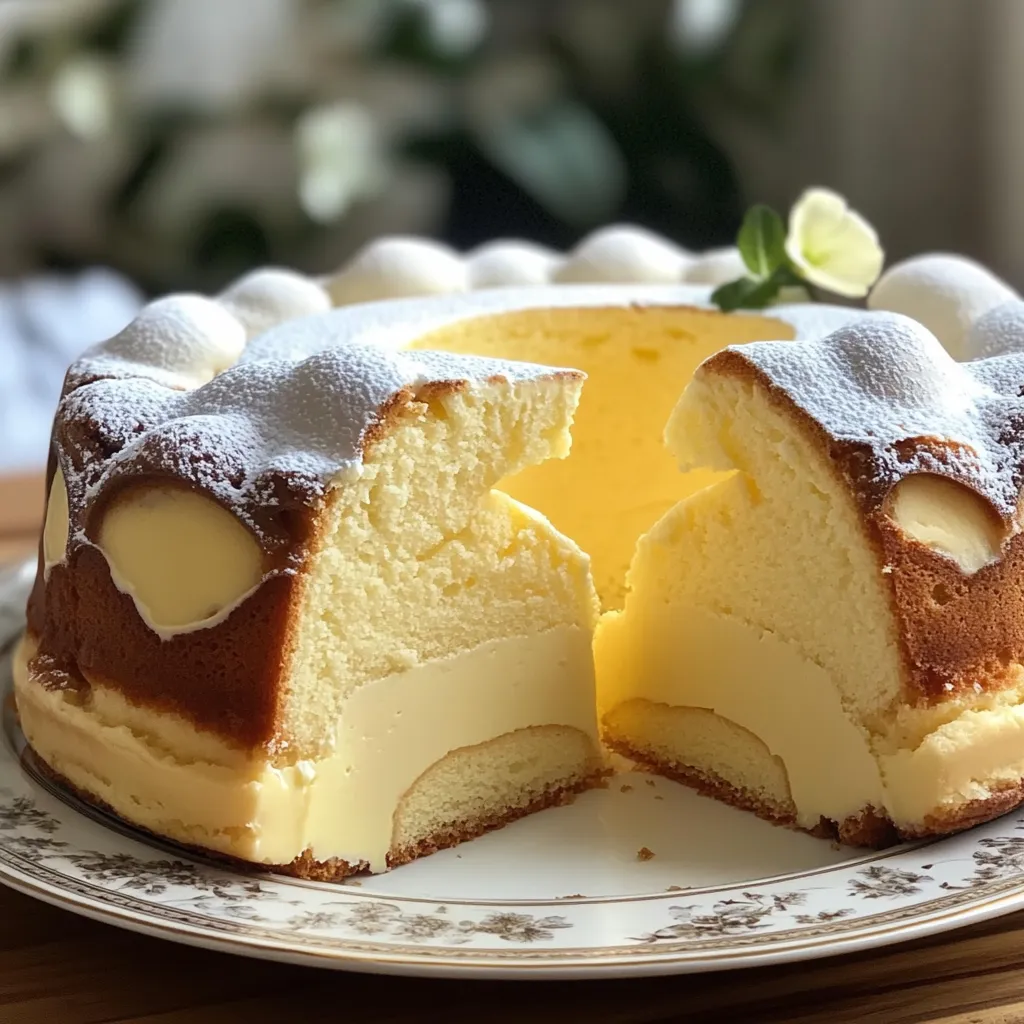
Some desserts are so enchanting that the first bite feels like stepping into a story—and Karpatka Cake is one of them. This beloved Polish pastry gets its name from the Carpathian Mountains, because the top layer of the cake bakes into dramatic, craggy peaks that look like snowy mountain ridges dusted with powdered sugar. It’s rustic, whimsical, and incredibly delicious.
Karpatka is made from two layers of choux pastry—the same airy dough used for cream puffs or éclairs—and filled with a velvety vanilla custard that’s cool, smooth, and lightly sweet. The contrast between the crisp, irregular pastry and the soft, silky filling is what makes this dessert unforgettable.
Whether you grew up with Polish desserts or you’re discovering Karpatka for the first time, this cake is the kind of treat that brings comfort and joy with every forkful. It’s impressive enough for holidays and gatherings, yet simple enough to prepare at home without complicated equipment. Once you make it, it’s destined to become a new favorite.
Recipe Overview
Karpatka Cake is a traditional Polish cream-filled pastry made with two layers of baked choux dough and a creamy custard filling. The top layer puffs dramatically in the oven, creating mountainous peaks that give the dessert its signature look. Light, delicate, and full of vanilla flavor, it’s a perfect treat for any occasion.
Ingredients & Instructions
Below is a detailed breakdown of each step to help you master this charming European dessert.
Ingredients
- 1 cup water
- ½ cup butter
- 1 cup flour
- 4 large eggs
- 2 cups milk
- ½ cup sugar
- ¼ cup cornstarch
- ½ cup milk (for slurry)
- 1 teaspoon vanilla extract
- Powdered sugar, for dusting
Step-by-Step Instructions
1. Prepare the Choux Pastry Layers
Preheat your oven to 375°F (190°C). Line a 9×13-inch baking pan with parchment paper, ensuring the edges hang over the sides for easy removal.
In a medium saucepan, combine the water and butter, heating until the mixture reaches a boil. Remove from heat and quickly stir in the flour all at once. Continue stirring until the mixture forms a smooth ball and pulls away from the sides of the pot.
Allow the dough to cool for several minutes—this prevents the eggs from cooking too quickly. Then beat in the eggs, one at a time, mixing well after each addition. The dough should become glossy, smooth, and slightly stretchy.
Divide the dough into two equal portions. Spread each portion into a thin, even layer in your prepared pan. The rougher the surface, the better—these uneven streaks will help create the signature “mountain peaks” when baked.
Bake each layer for 20–25 minutes, until puffed, golden, and slightly crisp. Set the pastry sheets aside to cool completely. As they cool, they will deflate slightly but retain their wavy texture.
2. Make the Custard Filling
In a medium saucepan, heat 2 cups milk with the sugar over medium heat until warm but not boiling.
In a separate bowl, whisk the cornstarch with ½ cup milk to create a smooth slurry. Slowly pour this mixture into the warm milk, whisking constantly to prevent lumps. Continue cooking until thickened to a pudding-like consistency.
Remove from heat and stir in the vanilla extract. Allow the custard to cool completely. For a smoother texture, place plastic wrap directly on the surface of the custard to prevent a skin from forming.
3. Assemble the Karpatka
Place one cooled pastry sheet on a serving tray or in a clean baking pan. Spread the cooled custard evenly over the top.
Gently place the second pastry layer over the custard. Its natural peaks and valleys will create the charming mountain-like top.
Refrigerate the assembled cake for at least 2 hours, or overnight for the best sliceability. The custard will firm up, making it easier to cut clean slices.
Right before serving, dust generously with powdered sugar. The sugar settles beautifully into the ridges, giving the cake its snowy mountain look.
Cooking Tips & Variations
1. Let Everything Cool Completely
Warm custard or warm pastry can cause the filling to melt or slide. Patience gives the cleanest and most stable result.
2. Add a Flavor Boost
You can enhance the custard with:
- A splash of almond extract
- Fresh lemon zest
- A tablespoon of instant vanilla pudding mix for extra stability
3. Make It Extra Creamy
For a richer filling, fold in:
- 2–3 tablespoons of softened butter after the custard cools
- Or a small amount of whipped cream for lightness
4. Create a Chocolate Version
Replace 2 tablespoons of cornstarch with cocoa powder for a chocolate custard twist.
5. Bake Pastry on Separate Sheets
If you prefer, bake each choux layer on its own parchment-lined baking sheet instead of reusing the same pan.
Storage & Serving Suggestions
Storage
- Refrigerate: Keep the cake covered in the fridge for up to 3 days.
- Freeze: Freezing is not recommended, as custard tends to separate.
Serving
Karpatka is best served cold.
Pair it with:
- Fresh berries
- A cup of strong coffee
- A drizzle of melted chocolate for extra indulgence
Slices hold best when the cake is well chilled, so refrigerate until just before serving.
Karpatka Cake is more than just a dessert—it’s a taste of tradition, artistry, and simple ingredients coming together to create something extraordinary. Its airy choux layers paired with cool vanilla custard make every bite a delightful balance of textures and flavors. Whether you’re celebrating a special occasion or treating yourself to a homemade European delight, this cake promises to impress.
Once you try it, Karpatka becomes one of those recipes you’ll return to again and again. Enjoy the process, savor every layer, and share it with someone who appreciates a little magic in their desserts.
FAQs
1. Why is it called Karpatka Cake?
The top layer resembles the rugged peaks of the Carpathian Mountains.
2. Can I use vanilla pudding instead of homemade custard?
Yes, but homemade custard gives richer flavor and better texture.
3. Can I make it ahead?
Absolutely—Karpatka tastes even better the next day after chilling overnight.
4. My pastry deflated—what happened?
This is normal! Choux pastry naturally deflates as it cools while keeping its signature ridges.
5. Can I add fruit to the filling?
Yes—thin layers of fresh raspberries or strawberries add a lovely brightness.
Karpatka Cake is a classic Polish dessert made with choux pastry layers and creamy vanilla custard. Light, elegant, and perfect for gatherings—learn how to make this stunning mountain-inspired treat!