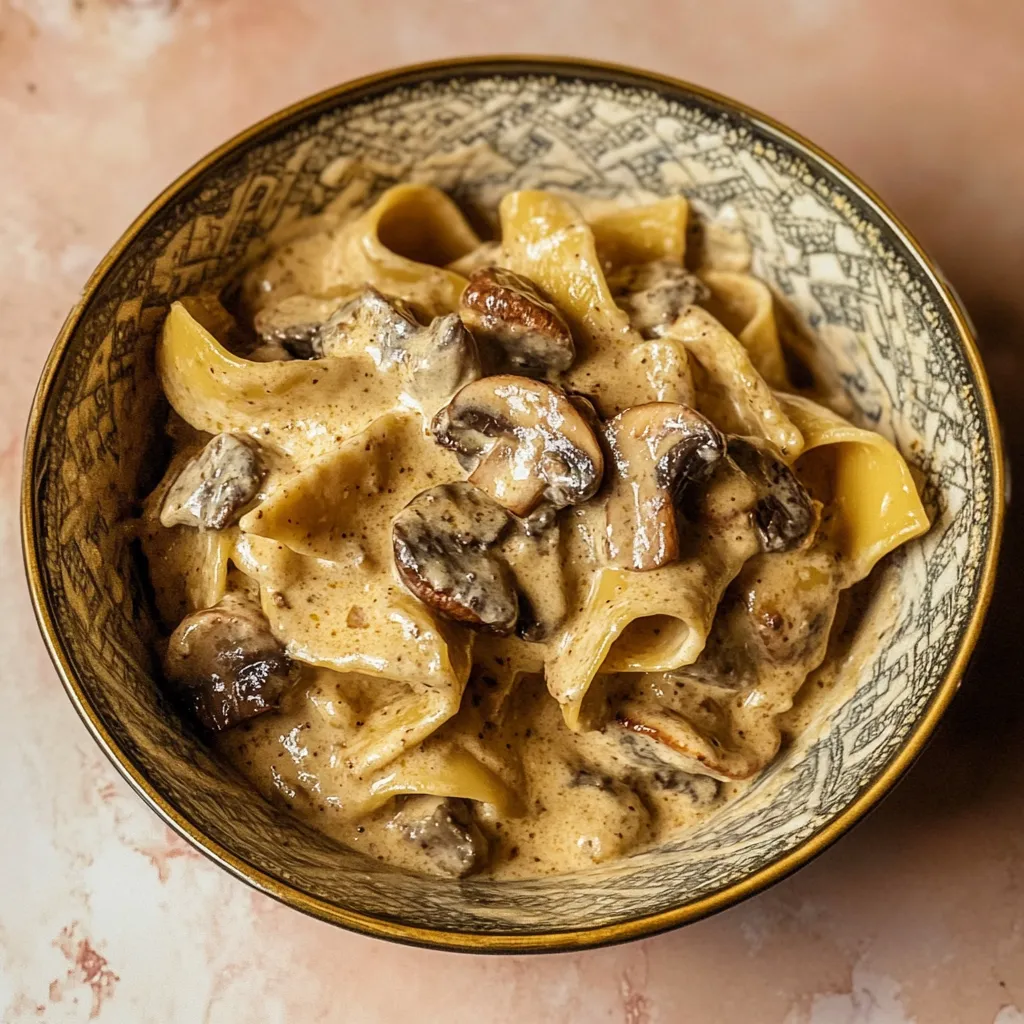
There are nights when you want the cozy hug of a classic chicken pot pie… without the crust drama, the long bake time, or the sink full of dishes. That’s exactly where creamy chicken pot pie pasta shines. It hits all the nostalgic notes—tender chicken, savory veggies, thyme-scented sauce—then delivers it in a bowl of silky egg noodles that soak up every drop.
What makes this dish feel extra special is how it transforms everyday ingredients into something that tastes like it took way longer than it did. The sauce is rich but not heavy, the vegetables add sweetness and texture, and the noodles do the best job of mimicking that “comfort-food” bite you usually only get from pot pie filling. If you’ve got cooked chicken in the fridge (or a rotisserie chicken calling your name), you’re dangerously close to dinner.
If you’re building out your site’s “cozy weeknight dinners” category, this one belongs near the top—right next to your other one-skillet pasta recipes and easy chicken dinner ideas.
Why You’ll Love This Creamy Chicken Pot Pie Pasta
This recipe is basically the no-crust chicken pot pie shortcut you didn’t know you needed—turned into a pasta night win.
- Fast comfort food: everything comes together quickly once the noodles are cooked.
- One-pan sauce: the creamy pot pie-style sauce is made right in the skillet.
- Family-friendly flavors: thyme, chicken, and veggies keep it classic and crowd-pleasing.
- Great for leftovers: the sauce stays creamy when reheated with a splash of broth or cream.
- Easy to customize: swap the chicken, change the vegetables, adjust the richness—no problem.
You’ll end up with a dish that feels like Sunday dinner but fits into a regular weekday.
Ingredients You’ll Need
This list is simple, but a few small choices make a big difference in flavor and texture.
Core ingredients
- 12 ounces egg noodles
Egg noodles are perfect here: soft, cozy, and great at holding creamy sauce. Cook them just to al dente so they don’t get mushy later. - 2 tablespoons butter
Butter builds the base flavor and helps sauté the onion and garlic. If you want a slightly lighter finish, you can do 1 tablespoon butter + 1 tablespoon olive oil. - 1 large yellow onion, diced
Yellow onion gives the best “pot pie” flavor. Dice it small so it blends into the sauce. - 3 cloves garlic, minced
Adds depth without overpowering. Mince finely so it disappears into the cream sauce. - 1 1/2 cups frozen mixed vegetables, thawed
The classic pot pie mix (peas, carrots, corn, green beans) works perfectly. Thawing prevents the sauce from cooling down and thinning out when you add them. - 1 teaspoon dried thyme
This is the signature pot pie vibe. If you love herbs, add a pinch of rosemary too (tiny pinch—rosemary can take over fast). - 2 tablespoons all-purpose flour
Flour thickens the sauce into that creamy, clingy texture. Stir well so it doesn’t clump. - 1 cup chicken broth
Broth is the savory backbone. If your broth is salty, go light on added salt until the end. - 1 cup heavy cream
This brings the “creamy pot pie filling” richness. You can swap half-and-half for a lighter version, but the sauce will be thinner. - 2 cups cooked chicken breast, shredded
Rotisserie chicken is the easiest option. Leftover roasted chicken is even better. - Salt and pepper to taste
Season in layers: a little after the veggies cook, then adjust at the end. - Optional: 2 tablespoons fresh parsley, chopped
Adds freshness and color right before serving.
Quick substitution ideas
If you want to add internal links on your blog, these are perfect spots:
- Swap egg noodles with short pasta (link to your “best pasta shapes for creamy sauces” post).
- Use homemade chicken stock (link to your broth tutorial).
- Add extra veggies (link to your “how to use frozen vegetables” guide).
Step-by-Step Instructions With Pro Tips
1) Cook the noodles
Bring a large pot of salted water to a boil. Cook egg noodles according to the package directions until al dente, then drain and set aside.
Tip: Toss drained noodles with a tiny bit of butter (or a splash of broth) to prevent sticking while you make the sauce.
2) Sauté the aromatics and vegetables
In a large skillet over medium heat, melt 2 tablespoons butter. Add the diced onion, minced garlic, and thawed mixed vegetables. Cook until the onion is soft and translucent.
Tip: Don’t crank the heat—medium is perfect. Garlic can get bitter if it browns too hard.
3) Season early
Add dried thyme, plus a pinch of salt and pepper, and stir to combine.
Tip: Seasoning at this stage helps the onion and veggies taste like they’ve been simmering longer than they actually have.
4) Build the roux for thick, glossy sauce
Sprinkle 2 tablespoons flour over the vegetables. Stir continuously so the flour coats everything evenly.
Let it cook for about 30–60 seconds—this takes away the raw flour taste and sets you up for a smooth sauce.
Tip: If you see dry flour pockets, keep stirring. You want everything lightly coated and slightly pasty before adding liquid.
5) Add broth and cream slowly
Pour in 1 cup chicken broth and 1 cup heavy cream, stirring continuously. Bring it to a gentle simmer and cook until the sauce thickens.
Tip: If you want an extra-silky sauce, add broth first, stir until smooth, then add cream. That two-step addition helps prevent lumps.
6) Add chicken and noodles
Stir in 2 cups shredded cooked chicken, then add the cooked noodles. Mix until everything is well coated and creamy.
Tip: If the sauce thickens too much (it can happen fast), loosen it with an extra splash of broth or cream—just a tablespoon or two at a time.
7) Taste and adjust
Taste the sauce and adjust salt and pepper as needed.
Tip: Thyme and broth flavors bloom as it sits for a minute. Taste, wait 30 seconds, then taste again before adding more salt.
8) Finish with parsley (optional)
Sprinkle with fresh parsley and serve immediately.
Tip: A tiny squeeze of lemon (optional) can brighten the whole dish without making it taste “lemony.” Great if your sauce feels a bit heavy.
Tips, Variations, and Make-Ahead Options
Make it even more “pot pie”
- Add a pinch of poultry seasoning along with thyme.
- Stir in a spoonful of cream cheese for extra richness.
- Top bowls with buttery toasted breadcrumbs (quick “crust” vibes).
Lighter swaps that still taste great
- Use half-and-half instead of heavy cream (expect a slightly thinner sauce).
- Use ground thyme + a little extra broth, and finish with extra parsley for freshness.
- Add extra vegetables to stretch it without adding more dairy.
Protein variations
- Rotisserie chicken is easiest, but leftover turkey is amazing (especially around holidays).
- Try shredded chicken thighs if you want a deeper, juicier flavor.
Vegetable upgrades
Frozen mixed vegetables keep it classic, but you can level it up:
- Add mushrooms with the onion for a savory boost.
- Stir in spinach at the end until wilted.
- Add extra peas if you want it sweeter.
Texture troubleshooting
- Sauce too thick: add broth a splash at a time.
- Sauce too thin: simmer a few minutes longer, uncovered, stirring often.
- Lumpy sauce: whisk vigorously and keep it at a gentle simmer—most small lumps smooth out as it thickens.
Make-ahead strategy
This one is best fresh, but you can prep parts:
- Cook and shred the chicken in advance.
- Dice onion and mince garlic ahead of time.
- Mix thawed veggies and seasonings so they’re ready to toss in.
If you’re building meal-prep content, link this to your “best ways to use rotisserie chicken” post—this recipe is a perfect use-case.
Serving and Storage
This pasta is rich, so it pairs best with something crisp and fresh.
Serving ideas
- A simple green salad with a tangy vinaigrette
- Roasted broccoli or green beans
- Garlic bread if you’re going full comfort mode
Storing leftovers
- Fridge: Store in an airtight container for up to 3–4 days.
- Reheat: Warm on the stove or microwave with a splash of broth or cream to revive the sauce.
- Freezing: Cream-based sauces can separate a bit when frozen. If you freeze it anyway, thaw overnight in the fridge and reheat gently, stirring often, with a little extra cream or broth to smooth it out.
Small tip that helps a lot
If you know you’ll have leftovers, keep a few tablespoons of broth aside. It makes reheating taste fresh instead of “thick and tired.”
When you want cozy flavors without the work of an actual pot pie, creamy chicken pot pie pasta is the answer. It’s warm, savory, creamy, and loaded with the familiar comfort-food taste people crave—only faster, simpler, and honestly easier to love on a busy weeknight. Keep it classic the first time, then start playing with herbs, veggies, and cheese once you’ve nailed your favorite version.
FAQs
Can I use a different pasta shape instead of egg noodles?
Yes. Short pasta like rotini, penne, or shells works well. Aim for shapes that hold sauce.
Do I have to thaw the frozen mixed vegetables?
It’s strongly recommended. Thawing prevents the sauce from getting watery and helps everything heat evenly.
Can I use leftover turkey instead of chicken?
Absolutely. This dish is fantastic with turkey—especially if you want a post-holiday dinner that doesn’t feel like leftovers.
How do I keep the sauce from getting lumpy?
Stir the flour into the butter/veg mixture thoroughly before adding liquids, then pour broth and cream in gradually while stirring.
Can I make it dairy-free?
You can, but the texture will change. Use a rich unsweetened non-dairy cream (like oat “heavy cream” if available) and a bit more flour to help it thicken.
What’s the best way to reheat it?
Low and slow with a splash of broth or cream. Stir halfway through so it reheats evenly and stays creamy.
Creamy Chicken Pot Pie Pasta is the easiest way to get cozy pot pie flavor fast—egg noodles, tender chicken, mixed veggies, and a rich thyme cream sauce in one skillet.